




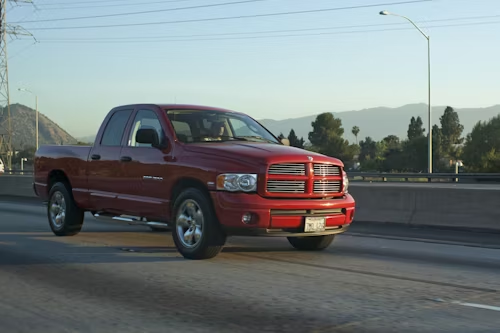
Your vehicle’s shocks play a critical role in maintaining a smooth ride and keeping your tires firmly in contact with the road. They help absorb the impact of bumps, control vehicle movement, and improve overall handling. But as they age, shocks can wear out due to constant use and exposure to rough road conditions. When this happens, your vehicle’s performance and safety can be affected. Recognizing the warning signs of worn shocks can help you address the issue before it leads to bigger problems. At Exclusive Car Care, we provide expert suspension repair in the greater Phoenix area. Here are five common signs that your shocks may need to be replaced. Excessive Bouncing After Bumps One of the most noticeable signs of worn shocks is excessive bouncing after driving over bumps. When shocks are functioning properly, they quickly stabilize your vehicle after impact. If your car continues to bounce or feels unusually springy, it may indicate that the shocks are no longer effectively absorbing bumps. Nose Diving When Braking If your vehicle’s front end dips sharply forward when you apply the brakes, it could be a sign that your shocks are worn out. This condition, often referred to as “nose diving,” occurs when the shocks are unable to properly distribute weight during braking. It can increase stopping distances and reduce braking efficiency, which may compromise safety in emergency situations. Uneven Tire Wear Worn shocks can cause your tires to lose consistent contact with the road surface. As a result, you may notice uneven or patchy tire wear patterns. This type of wear not only shortens the lifespan of your tires, but can also reduce traction and handling. Poor Handling and Steering Response A vehicle with worn shocks may feel less stable when turning or driving at higher speeds. You might notice increased body roll when cornering or a lack of responsiveness when steering. These changes can make your vehicle harder to control, especially in challenging driving conditions. Fluid Leaks Around the Shocks Shock absorbers contain hydraulic fluid that helps them function properly. If you notice fluid leaking from the shocks, it’s a sign that they are no longer working as intended. Leaking shocks lose their ability to absorb impacts effectively, which can lead to a rough ride and reduced performance. Suspension Repair in Phoenix, AZ For expert auto repair in Phoenix and the surrounding area, contact Exclusive Car Care at 602-830-4112 . Feel free to give us a call to schedule an appointment!
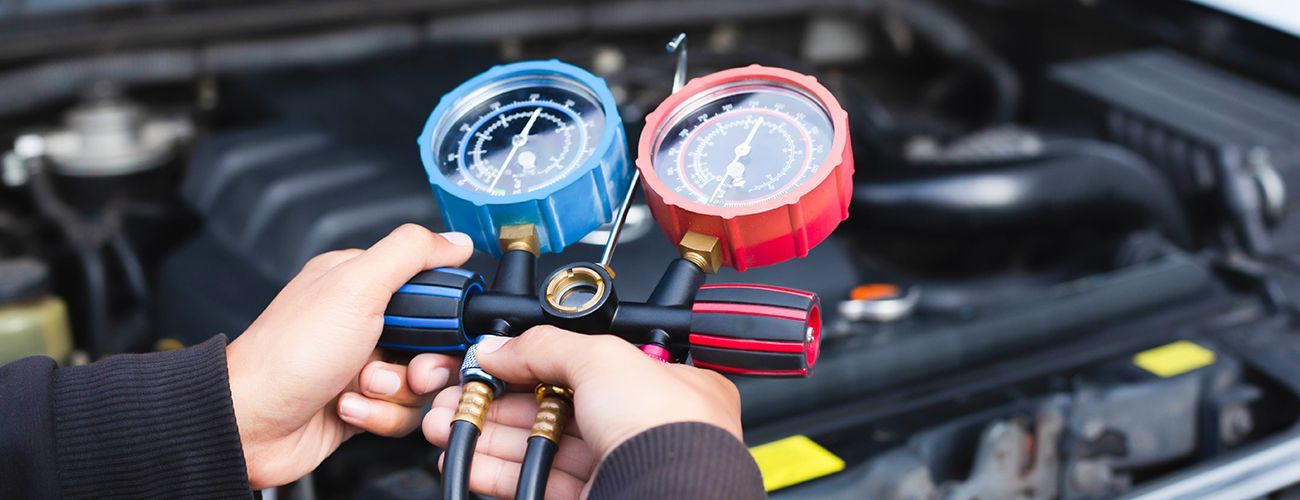
Your vehicle’s cooling system plays a vital role in keeping the engine at a safe operating temperature. Without a properly functioning cooling system, your engine can overheat, leading to serious and costly damage. Because the system includes several interconnected components, even a minor issue can quickly escalate if left unaddressed. Understanding how the cooling system works and recognizing early warning signs can help you avoid breakdowns and expensive repairs. At Exclusive Car Care, our local mechanics are happy to answer your questions about cooling system repair in the greater Phoenix area. What Does the Cooling System Do? The cooling system regulates engine temperature by circulating coolant through the engine and radiator. As the engine runs, it generates significant heat. Coolant absorbs that heat and carries it to the radiator, where it is released into the air. Key components of the system include the radiator, water pump, thermostat, hoses, and cooling fans. When all parts function properly, the system prevents overheating and helps maintain optimal engine performance. What Are the Signs of Cooling System Problems? There are several warning signs that your cooling system may need attention. The most obvious is an overheating engine, often indicated by a rising temperature gauge or dashboard warning light. You may also notice coolant leaks under your vehicle, a sweet smell coming from the engine bay, or steam from under the hood. Addressing these signs quickly can help prevent severe engine damage. What Causes Cooling System Failures? Cooling system issues can stem from a variety of causes. Over time, hoses may crack or deteriorate, leading to leaks. The radiator can become clogged with debris, reducing its ability to dissipate heat. A failing water pump may not circulate coolant effectively, while a malfunctioning thermostat can prevent proper temperature regulation. Low coolant levels due to leaks or neglect can also contribute to overheating problems. How Is a Cooling System Repaired? Cooling system repair begins with a thorough inspection to identify the source of the problem. Technicians may test the system to locate leaks and evaluate the condition of components such as hoses, the radiator, and the water pump. Repairs can range from replacing a faulty thermostat to installing a new radiator or water pump. In some cases, a coolant flush may be recommended to remove buildup and restore proper circulation. Where Can I Get Cooling System Repair in Phoenix, AZ? For expert cooling system repair in Phoenix, AZ and the surrounding area, contact Exclusive Car Care at 602-830-4112 . Feel free to give us a call to schedule an appointment !
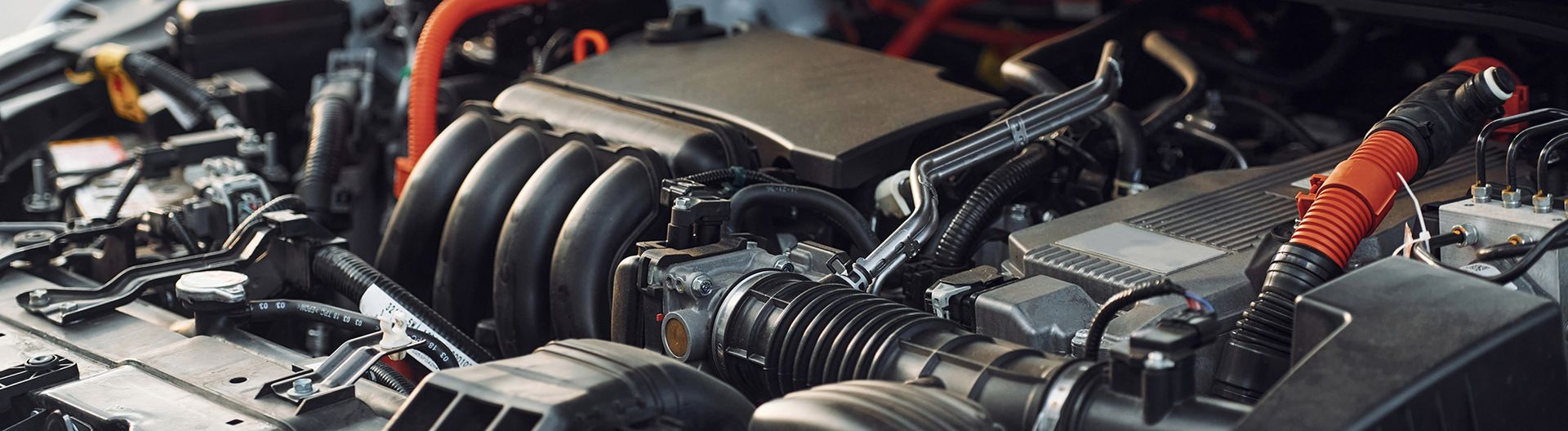
A vehicle’s engine is its most critical component, and when it starts showing signs of trouble, the thought of needing extensive repairs can feel overwhelming. Understanding the repair process, potential costs, and warning signs can help vehicle owners make informed decisions and avoid further damage. At Exclusive Car Care, we’re happy to answer your questions about engine repair in the greater Phoenix area. Here are some of the most frequently asked questions about engine repair. What Are Common Signs That an Engine Needs Repair? Common signs include unusual noises such as knocking or ticking, decreased performance, excessive smoke from the exhaust, and warning lights on the dashboard. Other indicators might include rough idling, poor fuel-efficiency, or overheating. Noticing these early can often prevent more serious damage and costly repairs. How Are Engine Problems Diagnosed? Diagnosing engine issues typically involves a combination of visual inspections, computerized diagnostics, and performance tests. Mechanics may check for leaks, worn belts, damaged components, or faulty sensors. Advanced diagnostic equipment can read error codes from the vehicle’s onboard computer, pinpointing specific issues that need attention. Accurate diagnosis is crucial to ensure repairs target the real problem rather than just the symptoms. What Types of Engine Repairs Are Common? Engine repairs can range from minor fixes to major overhauls. Minor repairs may include replacing worn sensors or spark plugs. More extensive repairs might involve fixing cylinder heads, replacing timing components, or addressing oil and coolant leaks. In severe cases, a complete engine rebuild or replacement may be necessary to restore proper function. Can Regular Maintenance Prevent Major Engine Repairs? Yes, routine maintenance is one of the most effective ways to prevent costly engine repairs. Regular oil changes, timely coolant flushes, filter replacements, and scheduled inspections help keep engine components in good working order. Addressing minor issues early can prevent them from developing into significant problems that require extensive repair work. Where Can I Get Expert Engine Repair in Phoenix, AZ? For expert engine repair in Phoenix, AZ and the surrounding area, contact Exclusive Car Care at 602-830-4112 . Feel free to give us a call to make an appointment!